↑

Arduino Voice & Audio Modules

Add high-quality audio playback and speech synthesis to your Arduino projects with UART-controlled voice modules. Support for MP3/WAV playback, TTS synthesis, and simple serial integration. Compatible with Arduino Uno, Mega, Nano, ESP32.

Our Arduino Voice Module Products

Compare our Arduino voice and audio modules by playback function, supported formats, storage capacity, power supply, and communication interface. Find the right solution for text-to-speech, offline voice recognition, MP3 playback, and Bluetooth audio applications.

Image Model Function Audio Format Storage Power Supply Communication Special Feature Best For
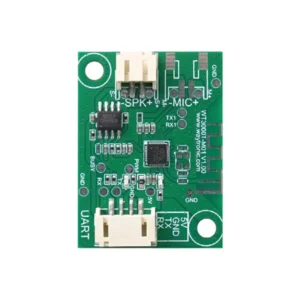
WT3000T-M01 WT3000T‑M01 TTS Speech Synthesis Real‑time synthesis Built‑in voice library 2.6‑5V UART Bilingual TTS Dynamic voice prompts
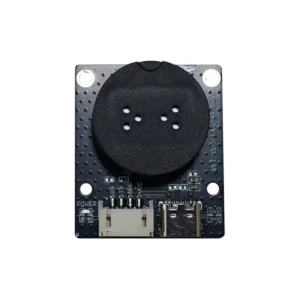
WT2003H4‑M09 WT2003H4‑M09 MP3/WAV Playback MP3, WAV (16‑320 Kbps) 64Mbit (8MB) Flash 4.7‑9.0V UART (115200 baud) USB Type‑C programming Pre‑recorded audio
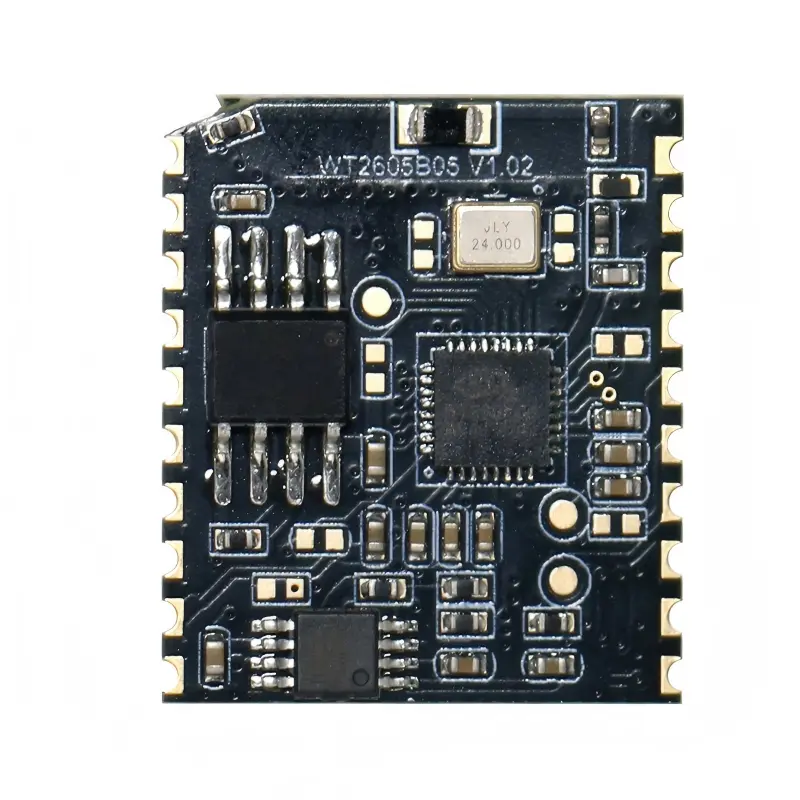
WT2605B05 WT2605-B05 Bluetooth Audio + MP3 MP3, WAV, SBC, AAC 128Mbit Flash, 32G SD/USB 2.8‑5.0V BT 5.3, UART (115200) Dual-mode Bluetooth Wireless speakers, car audio
WTK6900HA-M02 WTK6900HA‑M02 Offline Voice Recognition Voice commands (no audio playback) 1MB Flash (300 commands) 2.2‑5.5V UART (9600 baud) 3-5m far-field, 95% accuracy Smart home, Arduino projects
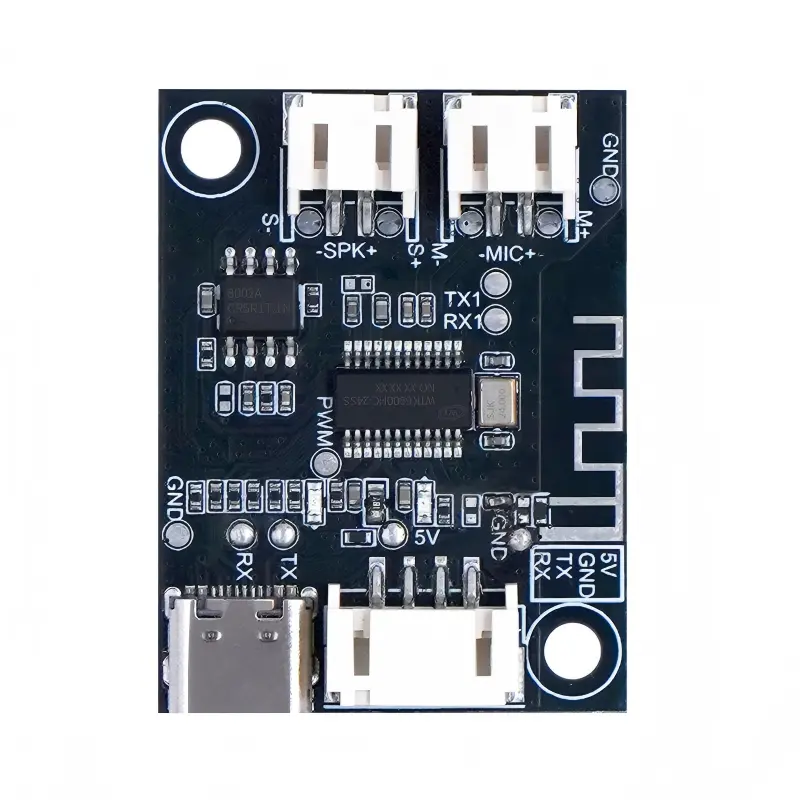
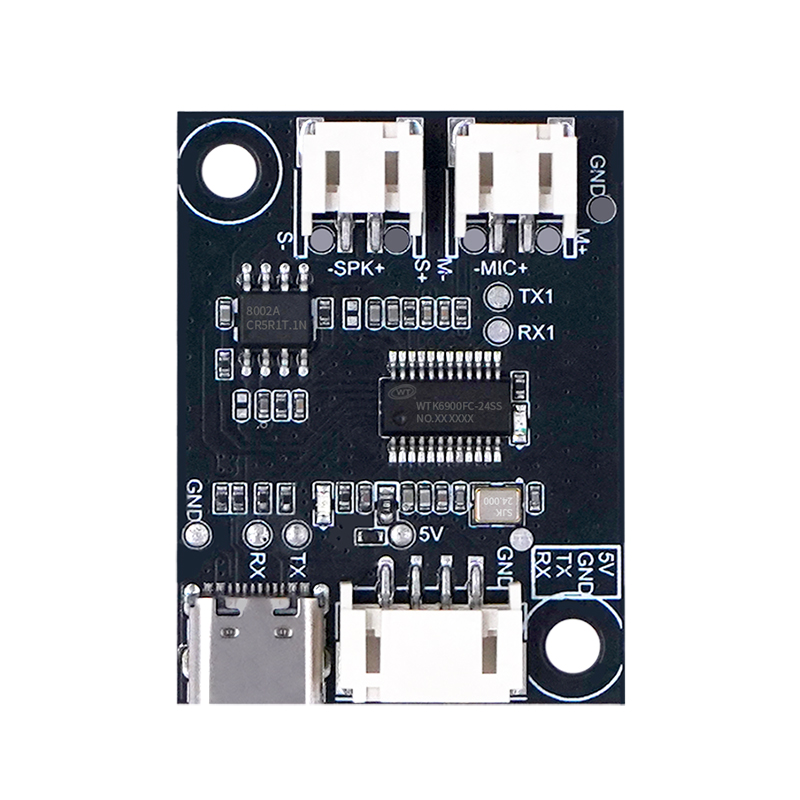
WTK6900HC-M02 WTK6900HC‑M02 Voice Recognition + BT Audio MP3, WAV, SBC, AAC 8‑32MB Flash, SD/USB support 2.4‑5.5V BT 5.1, UART (9600 baud) 5-8m range, custom wake word Automotive, industrial control
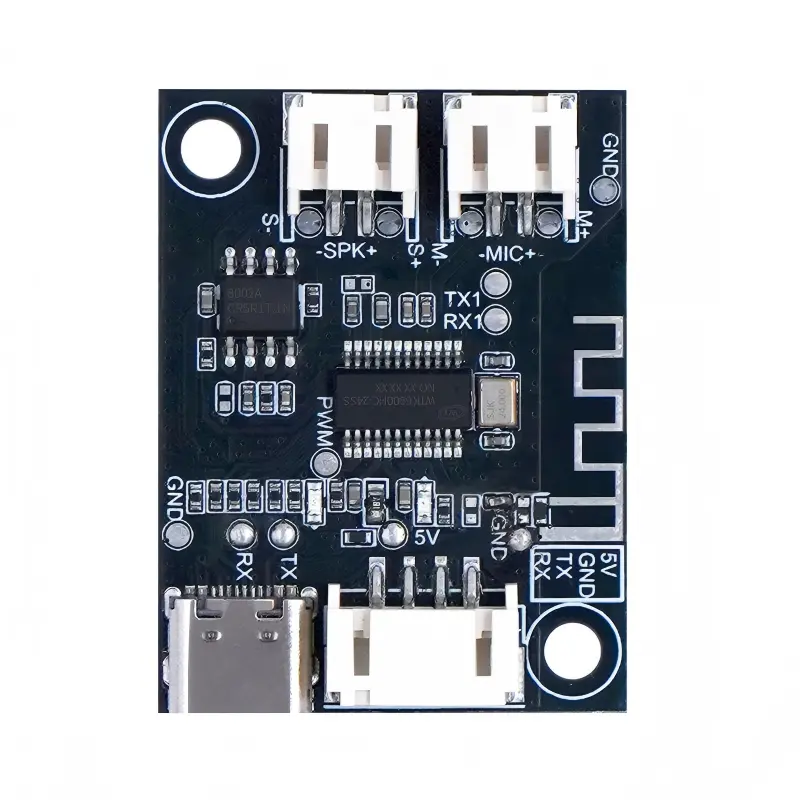
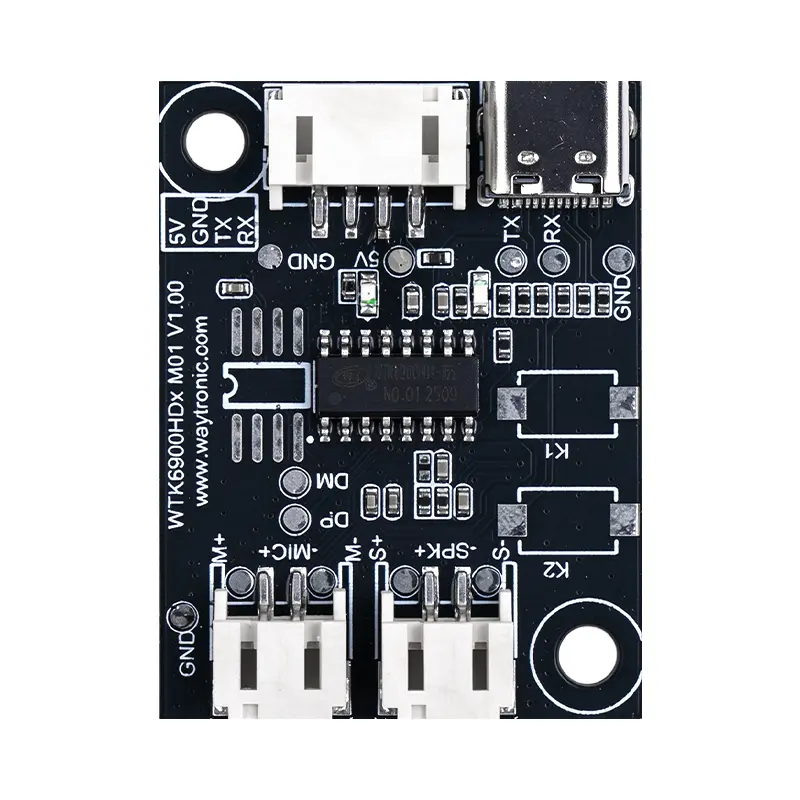
WTK6900HDx-M01 WTK6900HDx‑M01 Infant Cry Recognition No decoding; SPK+ amp output Not specified 3.3‑5.0V IO pulse (300ms), no UART 1m range, 20ms response Baby monitors, smart cribs
WTK6900FC-M02 WTK6900FC‑M02 Snoring Detection No decoding; event output only 16/32MB Flash (firmware) 3.6‑5.5V IO level or UART 115200 ≥95% accuracy, ≤300ms, 5µA standby Sleep monitors, anti‑snoring pillows

Which Module Should You Choose?

Choose WT3000T-M01 if you need:
  • Dynamic voice prompts that change based on sensor data
  • Bilingual or multilingual voice output
  • Real-time speech synthesis without pre-recording audio
Choose WT2003H4-M09 if you need:
  • Pre-recorded MP3/WAV audio playback
  • Music, sound effects, or high-quality audio
  • Easy USB programming and wide voltage compatibility
  • Budget-friendly solution

Key Features of Arduino Audio Modules

Explore Arduino-compatible audio modules for MP3 and WAV playback, text-to-speech, serial control, and embedded audio applications. Designed for easy integration, flexible storage, and reliable performance across a wide range of projects.

Compatible with Arduino Development Boards

All modules work with Arduino Uno, Mega, Nano, ESP32, and other supported platforms through UART serial communication, making integration into embedded projects straightforward.

Support MP3 and WAV audio playback

The WT2003H4-M09 supports MP3 and WAV formats with bit rates from 16 to 320 Kbps, delivering clear sound for voice prompts, announcements, and audio playback applications.

Real-Time Text-to-Speech Support

The WT3000T-M01 supports bilingual text-to-speech, enabling dynamic voice announcements for sensor readings, timestamps, and changing data without pre-recorded audio files.

Reliable UART Serial Communication

The standard UART interface and simple 7-byte command protocol simplify module control. The WT2003H4 supports adjustable baud rates from 4800 to 921600 for flexible system integration.

Built-In Flash Storage for Audio Files

The WT2003H4-M09 includes 64MB Flash memory with nearly 8MB usable storage. USB Type-C enables convenient audio file updates through drag-and-drop file management.

Compact Design for Embedded Applications

Small 36–40 mm form factors and standard pin interfaces suit space-constrained projects. The WT2003H4 also includes M2 mounting holes for secure installation in enclosures.

Low Power Consumption and Stable Performance

The WT2003H4-M09 draws ≤10mA in idle mode and ≤400mA during playback. Its power profile supports battery-powered devices and other energy-conscious embedded applications.

Versatile Embedded Audio Applications

These modules support voice prompts, audio announcements, interactive devices, and smart control systems. Their playback and speech features simplify audio integration across product designs.

Applications of Arduino Voice Modules

Arduino voice modules are widely used in many embedded and IoT applications that require audio output or voice prompts.

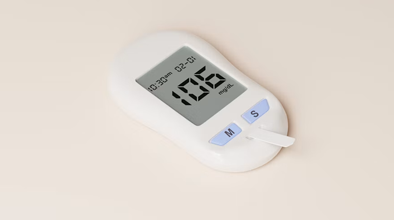
A blood glucose meter displaying a vital sign readout
Medical and Monitoring Devices

Medication reminders and vital sign readouts. Blood pressure monitors can speak measurement results aloud, while patient care devices provide timely audio prompts.

A maker working on a DIY electronics project with audio interaction
Interactive Electronics and Educational Projects

STEM kits teach Arduino programming through audio interaction, museum exhibits provide narration, and custom electronic toys gain personality through voice playback.
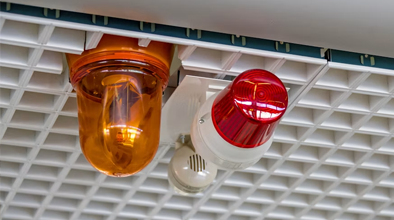
Ceiling-mounted alarm strobes sounding a high-volume audio alert
Alarm Systems and Smart Control Panels

High-volume audio alerts ensure warnings are heard. Security systems play pre-recorded emergency instructions, while smart panels provide voice confirmation for user inputs.
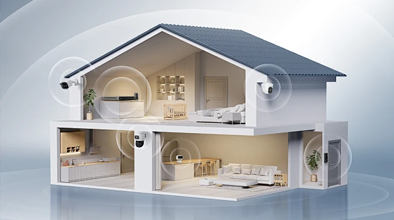
A smart home layout with security devices providing voice feedback
Smart Home Devices

Voice feedback for thermostats, lighting controls, and security systems. Announce temperature readings through TTS or play custom doorbell chimes with MP3 modules.
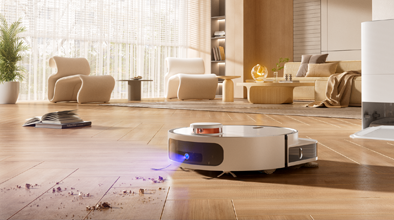
A robot vacuum announcing status updates while cleaning a living room
Robotics and Automation Systems

Robots can announce status updates, warn of obstacles, or provide interactive responses using speech synthesis, making human-robot interaction more natural.

An industrial control panel providing operation instructions on a production line
Industrial Equipment Voice Prompts

Safety warnings, operation instructions, and machine status announcements ensure operators stay informed even in noisy factory environments.
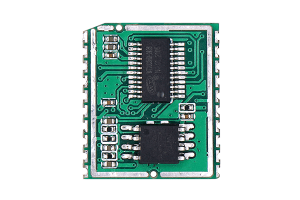
Compatible Arduino Projects

Arduino voice modules can be easily integrated into various Arduino platforms and development boards, including:

  • Arduino Uno
  • Arduino Mega
  • Arduino Nano
  • Arduino ESP32 projects
  • Arduino IoT development boards

With simple serial communication and widely available Arduino libraries, developers can quickly add audio functions to their projects without complex programming.

Frequently Asked Questions (FAQ)

Arduino voice modules are compact audio modules designed to provide voice playback or speech synthesis capabilities for Arduino systems. By connecting the module to an Arduino board through serial communication, users can control audio playback, generate voice prompts, or play stored audio files.

These modules eliminate the need for complex audio circuit design and allow developers to quickly implement voice features in embedded systems, making them ideal for both prototyping and commercial products.

All modules support Arduino Uno (via SoftwareSerial), Arduino Mega (multiple hardware serial ports recommended), Arduino Nano, ESP32/ESP8266, Arduino Due, and Arduino IoT development boards. The UART interface is universal, so any microcontroller with serial communication can work with proper voltage level matching.

Connect the module to your computer via USB Type-C. The module appears as a USB mass storage device. Simply drag and drop MP3/WAV files directly into the root directory. For easy UART indexing, use numeric filenames like 0001.mp3, 0002.mp3, or 8-character names.

The WT2003H4-M09 requires 4.7-9.0V and draws up to 400mA during playback, so a standard 5V/1A USB power supply works well. The WT3000T-M01 operates on 3.6-5.5V and can be powered directly from Arduino’s 5V pin if your power supply has sufficient capacity. Always use a clean power source with low ripple voltage to avoid audio noise.

Yes, you can connect multiple modules by using different serial ports. Arduino Mega has 4 hardware serial ports (Serial, Serial1, Serial2, Serial3), while Arduino Uno can use SoftwareSerial on any digital pins. Each module needs separate power and speaker connections, and ensure your power supply can handle the combined current draw.

Check these common issues: verify the baud rate matches 115200 (default), ensure TX/RX connections aren’t swapped (module TX connects to Arduino RX and vice versa), confirm the power supply provides 4.7-9.0V with sufficient current (460mA minimum), and verify the checksum calculation in your command bytes is correct. Also check that GND is connected between Arduino and module.

Use an 8Ω, 1W speaker for best results with all modules. Alternative impedances like 4Ω or 16Ω work but may affect volume and quality. The WT2003H4-M09 comes with a factory-integrated speaker, while the WT3000T requires an external speaker connected to SPK+/SPK- terminals. Avoid speakers with impedance below 4Ω as they may draw excessive current and damage the module.

Yes, any microcontroller with UART support can control these modules. For Raspberry Pi, use the GPIO UART pins with 3.3V logic. STM32, ESP32/ESP8266, PIC, and AVR microcontrollers all work fine. Just ensure voltage level compatibility—the WT2003H4 uses 3.3V logic, so if your microcontroller outputs 5V on TX, use a voltage divider or logic level shifter.

TTS (Text-to-Speech) modules like the WT3000T-M01 generate voice dynamically from text commands, ideal for real-time data readouts such as temperature, time, or sensor values. MP3 player modules like the WT2003H4-M09 play pre-recorded audio files stored in Flash memory, offering higher audio quality and support for music or sound effects. Choose TTS when you need dynamic content that changes based on data, and choose MP3 modules when you want high-quality pre-recorded audio.

Get Quotation Today | Free Samples

Send us your requirements, we will get back to you within 8 hours